Brand Strategy
The Shape of a Name
Before the logo. Before the deck. Before the pitch. There is a name. And in the name, a small cosmology.

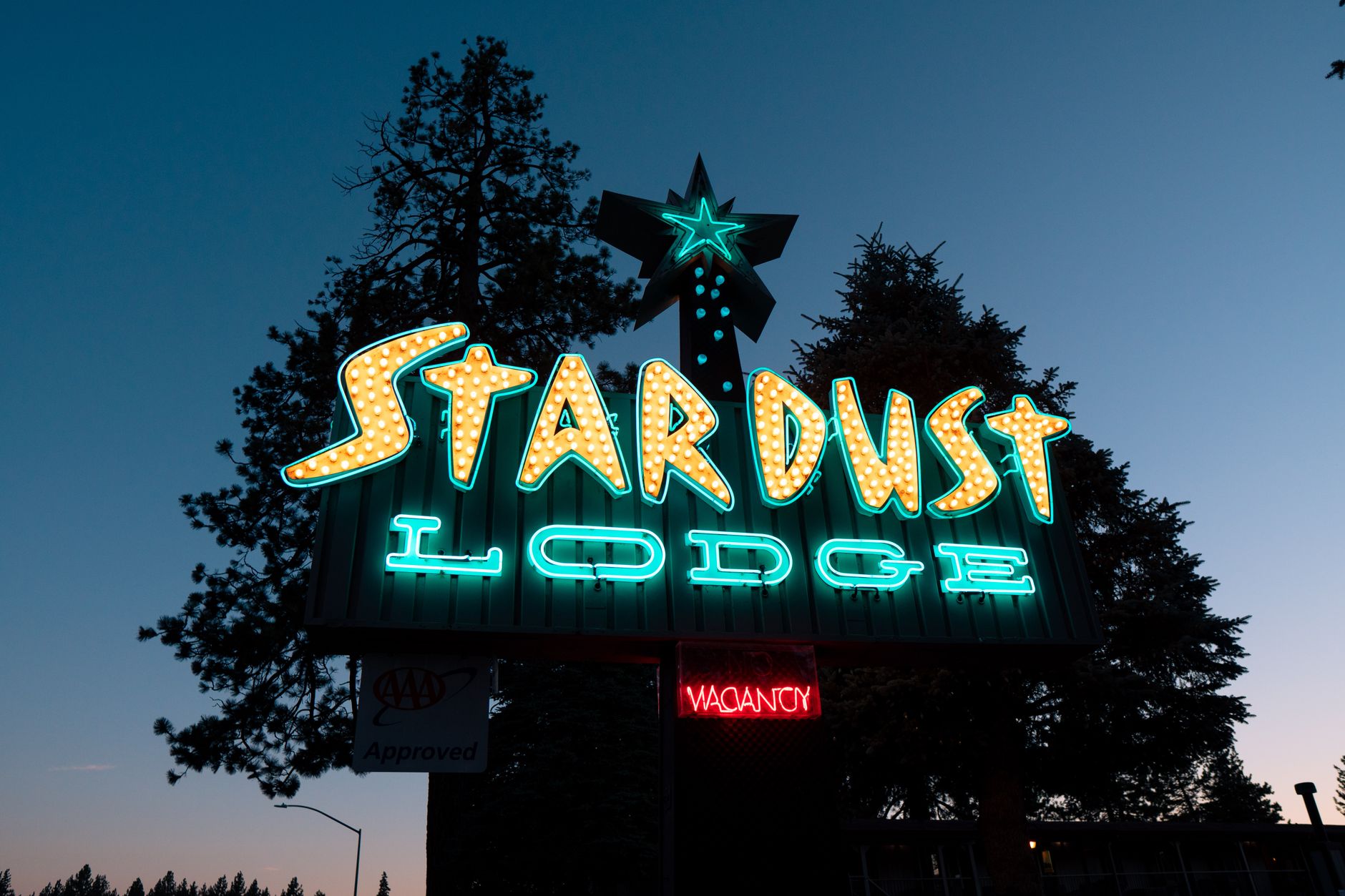
Photo: Pexels
There is a moment, somewhere between the idea and the thing, when a founder has to name what they are building.
It is a strange pressure. The name must carry what does not yet exist. The weight of a future still blurry, still becoming. And yet the act of naming is itself the first act of meaning-making. It commits something to language before the product is good enough to speak for itself.
Most names fail not because they are ugly. They fail because they are empty.
The temptation is utility. To name a thing for what it does, or who it serves, or where it operates. The result is a catalog of names that describe rather than mean. Names built for search engines, not for the human imagination. They are forgettable because they were never asking to be remembered. They were asking to be found.
The brands that endure — the ones that accumulate culture, not just customers — tend to be named for something not immediately obvious. A feeling. A provocation. A fragment of philosophy dressed up in a word.
Patagonia is a mountain range that most of its customers will never visit.
Notion barely means anything at all. It gestures at a ghostly, half-formed idea before it becomes a plan.
Airbnb was a portmanteau of an air mattress and breakfast. Almost embarrassingly literal. And yet the brand transcended the name completely, making it something you would never guess from the syllables alone.
In each case, the name became a vessel. What mattered was what was poured into it.
The right name is not a word that sounds like the industry. It is a word that commits to something. That bets on a future, a belief, a way of seeing the world that the audience either already holds or is ready to be convinced of.
A name is a promise made before the product is good enough to keep it.
The best names are rarely accidents. They emerge from deep listening. To what the founder actually believes. To what the culture is hungry for. To what the competitive landscape has already been exhausted.
Etymology matters here, though not for the reason people think. The Latin root, the Greek cognate, the Old French origin — these are not decoration. They are evidence. A word carries its history whether anyone knows it or not. Currency comes from currere, to run, to flow. Brand comes from the Old Norse brandr, meaning "burning." Every name is a compressed archaeology. The question is whether archaeology is doing work or just sitting there.
There is a particular kind of founder who arrives at the naming process already exhausted. They have been calling the thing by a descriptor for months. Functional. Clear. Completely without soul. It worked as a placeholder. It failed as a flag.
The naming process, done well, does not begin with the product. It begins with what the founder believes about the world that no one else in the room has quite articulated yet. What they are afraid of becoming. What they gave up to build this. The conviction that is so obvious, it barely feels like a conviction at all.
That interior is where the name lives. Not in the thesaurus. Not in the domain registrar.
A name that means something is a name that can hold meaning over time. It can be put on a hat, stitched into a jacket, whispered between people who recognize each other by it. Over time, it becomes not just a word but a shorthand for a worldview.
That is the goal. Not to be known. To mean something to the right people with a consistency that compounds.
The brands that achieve this are not the ones with the cleverest names. They are the ones whose names became, through conviction and time, inseparable from what the company was always trying to be.
The name did not convey the meaning. The meaning made the name.
thecurrency.design