Dark Editorial Photography, Minimal Typographic Detail, Warm Film

Photo: Annushka Ahuja / Pexels
Title: Dark Editorial Photography, Minimal Typographic Detail, Warm Film
In recent years, we've seen a resurgence of dark editorial photography in branding and advertising. This trend isn't limited to the visual arts; it extends into design as well. The minimalist typographic detail that accompanies these images is equally striking. It's not just about aesthetics or style, though; there's something deeper going on here.
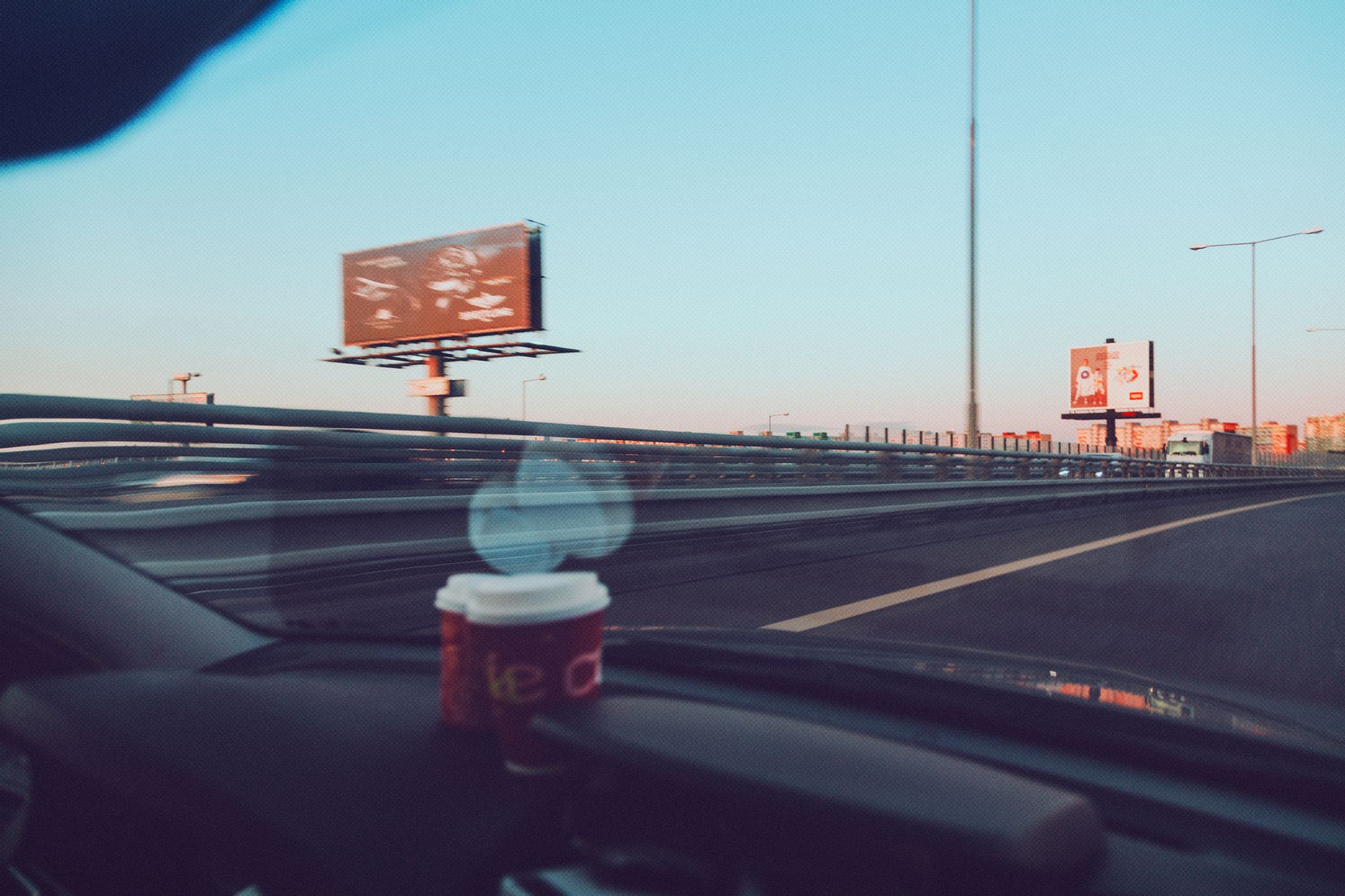
Let's start with the photography itself. When we say "dark," we don't mean literally dark - although there are certainly examples where a low-light aesthetic has been deliberately chosen for its moody effect. No, what we're talking about is an emotional darkness, one inherent in the subject matter and in the way it's captured by the photographer. This isn't new; photographers have been exploring this territory since the medium was invented. But what is new is how prevalent this kind of work has become across various industries and sectors.
Why? Because we live in an age when truth-telling is more important than ever. And dark editorial photography tells truths that are difficult to look at but necessary for our growth as individuals and society. It's not about wallowing in despair; it's about facing reality head-on, even if it hurts.
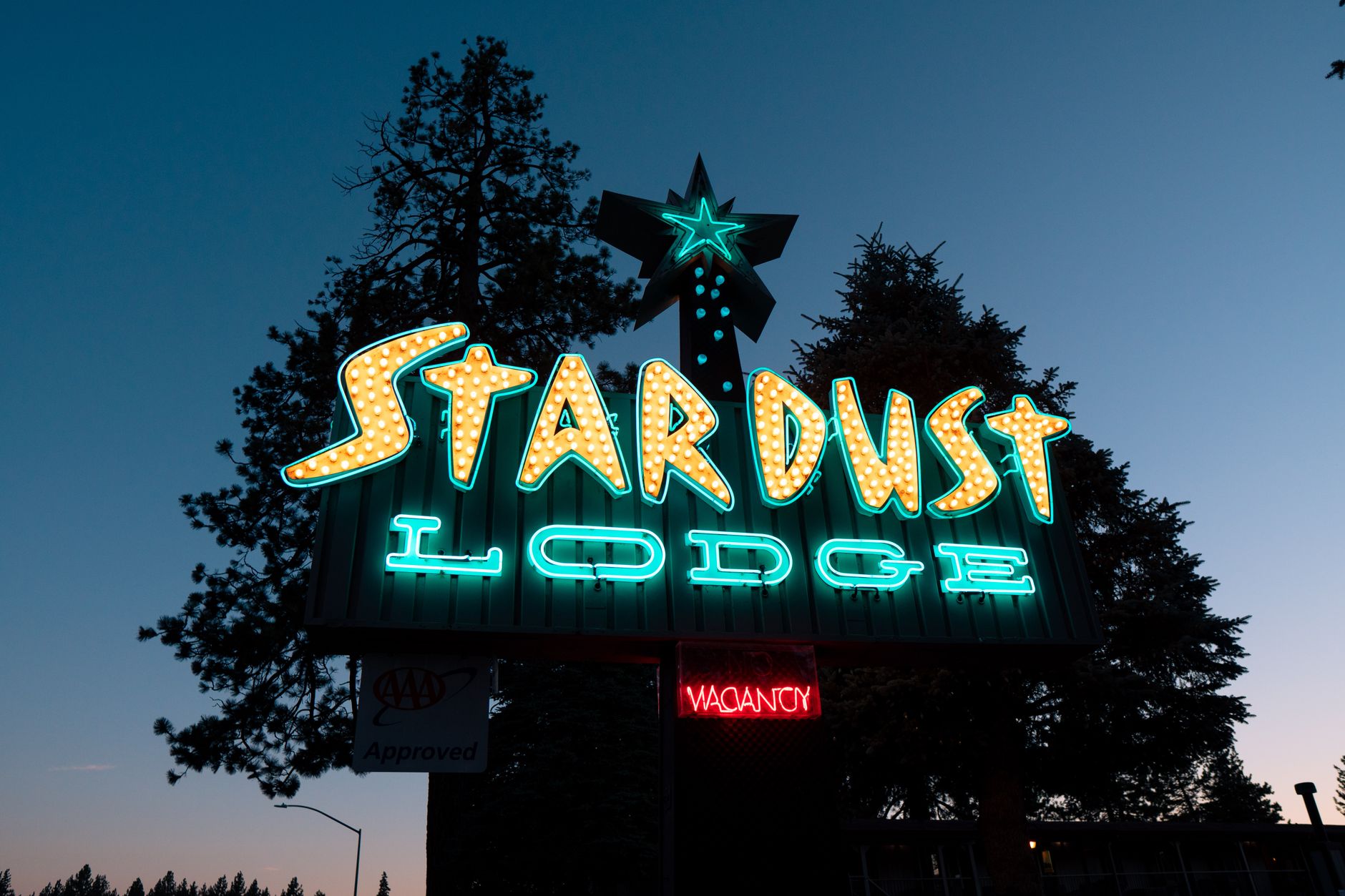
Then there's the typography. Or rather, lack thereof. Minimalist typographic detail has become increasingly popular over the last decade or so. This trend isn't limited to branding and advertising; it extends to publishing as well (think: Amazon's Kindle e-reader). Again, this isn't just about aesthetics or style - though those elements certainly contribute to its appeal. No, what we're talking about here is a shift in how we process information: less is more.
Less text means we have to engage with the visual content more deeply. We can't skim over it or ignore it; we must confront it directly. In doing so, we become more aware of what's really going on - both within ourselves and in the world around us. This isn't about simplification for simplicity's sake; it's about clarity through reduction.
Finally, let's talk about film. Warm film tones have been making a comeback lately, thanks in part to popular apps like VSCO and Instagram. There's something undeniably nostalgic and comforting about these images. They evoke memories of simpler times, when life moved at a slower pace, and we weren't constantly bombarded with information from every direction.
But there's also an argument to be made that these warm tones are subversive in their own way. They remind us of a time when things were different - when they could have been different, if only we had chosen differently. They offer a glimpse into what might have been, but isn't anymore. And in doing so, they challenge us to consider whether our current path is truly the best for us and society as a whole.
In conclusion, dark editorial photography, minimal typographic detail, warm film - these aren't just stylistic choices; they're profound statements about our world today. They force us to confront difficult truths, engage more deeply with visual content, and challenge the status quo. It may be uncomfortable at times, but growth often is. As we navigate this new era of truth-telling and clarity through reduction, these elements will continue to play an important role in shaping our collective consciousness.