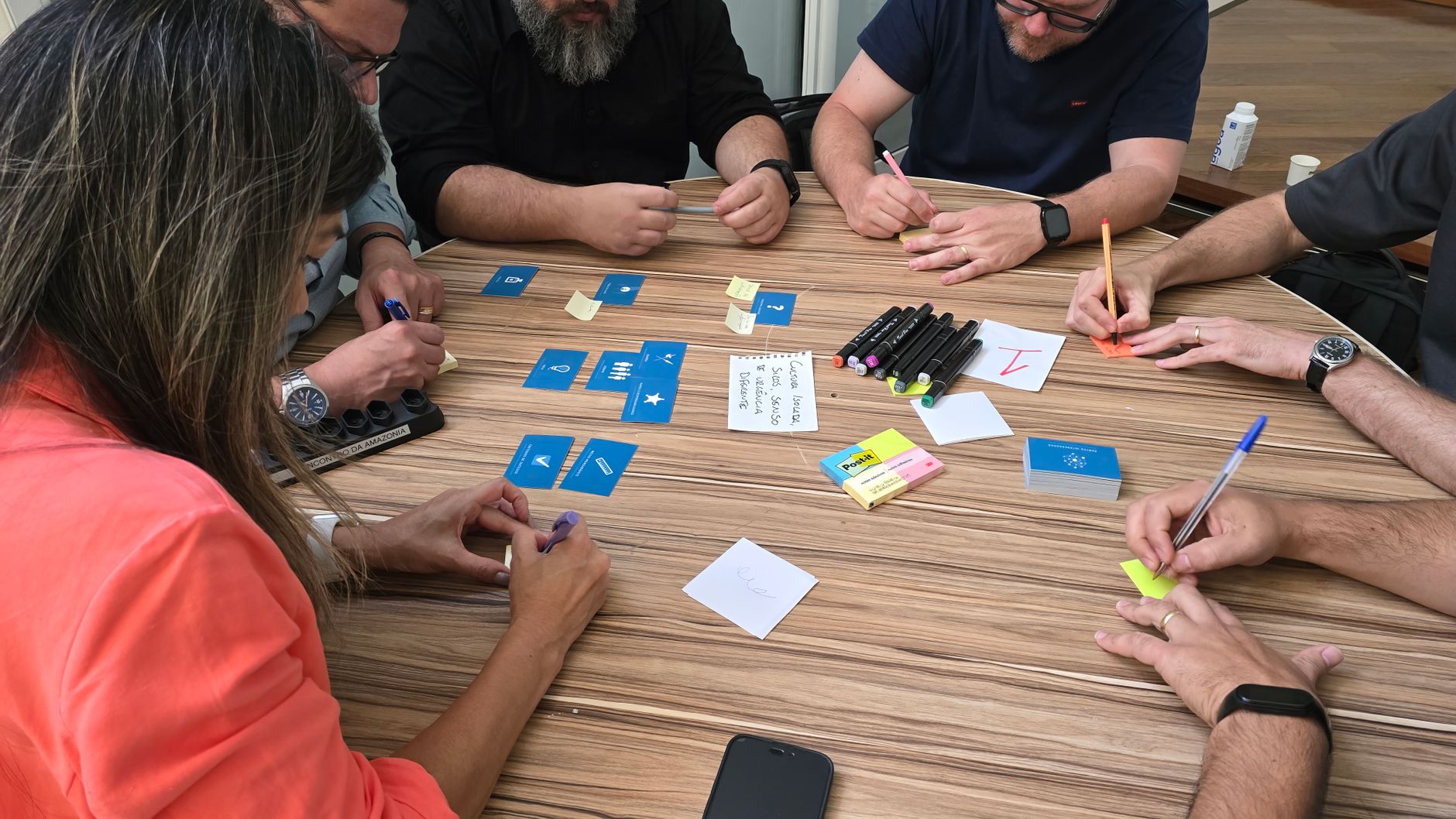
A brand consultant diagnoses a brand-related business problem, leads the required strategic decisions, develops or directs the resulting verbal and visual systems, supports implementation, and transfers tools and decision rules to the company. The exact role depends on scope and operating model.
Typical responsibilities
| Responsibility | Possible work |
|---|---|
| Diagnosis | Leadership, customer, employee, market, portfolio, message, identity, channel, and operating audits |
| Strategy | Audience, position, value, differentiation, principles, architecture, naming criteria, and brief |
| Verbal system | Messaging, proof, voice, tone, terminology, naming, examples, and governance |
| Visual system | Identity direction or design, components, applications, templates, guidelines, and production rules |
| Implementation | Priorities, rollout, training, content, production, partner direction, and adoption support |
| Leadership | Decision cadence, stakeholder input, evaluation criteria, conflict resolution, and quality control |
Consultants use different delivery models
An individual consultant may lead a focused decision and work with the client's existing teams. A consultancy may assign strategists, writers, designers, and producers. An agency may deliver a defined project or campaign. An embedded partner may provide recurring senior leadership and flexible capacity across functions.
No model is inherently superior. Select according to the problem, required capabilities, duration, internal ownership, implementation needs, and people assigned to the work.
Define the output before selection
Ask the consultant to name each deliverable and the decision it supports. A “strategy” may be a short positioning brief or a broader system that includes architecture, messages, verbal identity, and implementation. A “rebrand” may include strategy through rollout or only visual identity.
Confirm research, participants, rounds, team, schedule, client responsibilities, exclusions, rights, files, templates, training, and post-approval support. Compare proposals only after these elements are normalized.
Evaluate the assigned people
Review who will lead each phase, who will do the daily work, and when specialists participate. Ask how many handoffs occur and how decisions remain consistent across the team. Senior involvement should match the complexity and stakes of the engagement.
Selection questions
- Can the consultant state the business problem without reducing it to a design preference?
- Which evidence will be gathered, and how will it affect decisions?
- Who is assigned, and what will each person own?
- How will options be evaluated and disagreement resolved?
- What systems, tools, files, and capabilities will the company retain?
- Which implementation work is included, and who owns the rest?
- How will unsupported claims, legal issues, accessibility, and production constraints be reviewed?
The Currency's embedded model
The Currency is a senior-led branding consultancy. Ian Miller leads business strategy, positioning, verbal design, and editorial judgment. Angi Arrington leads visual identity, art direction, and design systems. Their leadership is supported by strategists, writers, designers, producers, and other specialists selected for the work.
Review The Currency's model for the relationship between senior leadership, flexible specialist capacity, defined projects, and embedded engagements. Selected work shows how those capabilities move into brand systems and applications.
The engagement should be judged by the quality of the decisions, the usefulness of the resulting system, and the company's ability to implement and operate it.