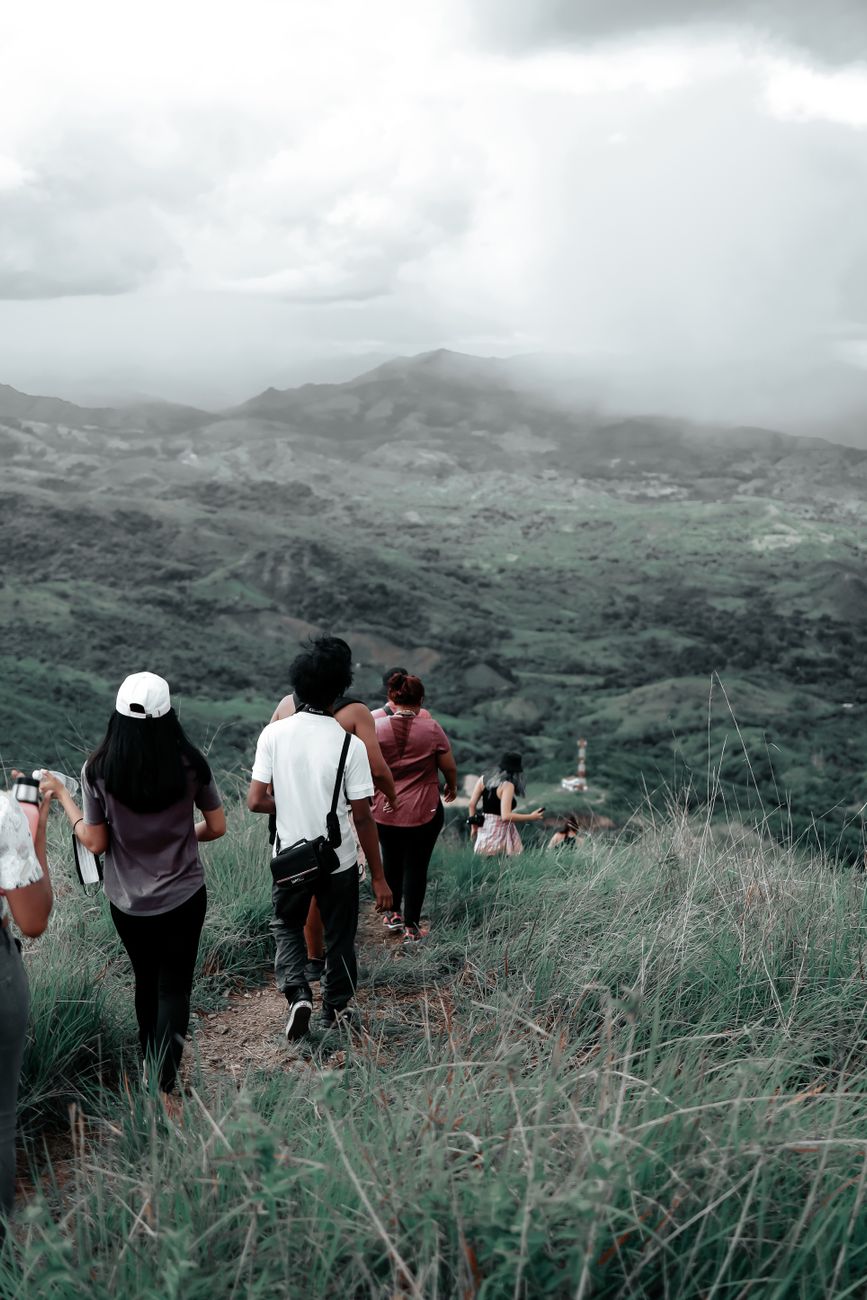
Outdoor brand design should begin with the product, activity, user, environment, and intended level of performance. The identity and language need to represent those conditions accurately across product, packaging, retail, digital commerce, community, and service.
Define the use and user
Specify the activity, environment, frequency, skill, stakes, and purchase context. A technical product for a defined use, a versatile product for broad recreation, and a lifestyle product associated with an activity require different claims, information, and design systems.
Map primary and adjacent audiences without assuming one group represents the entire category. Use research with the people the product is designed to serve and with the employees, retailers, guides, athletes, partners, or service teams who understand its use.
Connect claims to product evidence
| Claim area | System requirement |
|---|---|
| Performance | Approved measures, test context, limits, comparison basis, and technical owner |
| Use and safety | Clear intended conditions, instructions, warnings, fit, maintenance, and service information |
| Materials and construction | Accurate specifications, sourcing, manufacturing, durability, and repair information |
| Environmental impact | Defined terms, boundaries, evidence, qualifiers, dates, and accountable owner |
| Community or access | Specific programs, partners, commitments, and current reporting |
Use qualified legal, technical, safety, and sustainability review where the claim requires it. Do not convert a limited material or program improvement into a broad statement about the whole company or product lifecycle.
Build identity for field and channel conditions
Test marks, typography, color, icons, labels, instructions, packaging, interfaces, and photography in the real contexts of use. Include small product applications, poor light, weather, wear, retail walls, marketplace thumbnails, product pages, service documents, and partner environments as relevant.
Field imagery should accurately represent the product, activity, environment, skill, safety practices, and audience. Establish sourcing, permissions, editing, and disclosure rules. Give internal teams and partners a reference set that distinguishes approved representation from generic adventure imagery.
Organize the portfolio
Define relationships among the company, activity categories, product families, technologies, materials, features, and variants. Naming and visual hierarchy should help people compare intended use and performance without requiring them to learn an internal taxonomy.
Plan expansion before changing the story
When the brand enters a new activity, audience, price level, or lifestyle context, identify which position, product truths, community relationships, and recognizable assets should remain. Define what must change and whether the current architecture can support the extension.
Test the expansion with the existing audience and the intended new audience. A broader market does not require abandoning the original use case, and preserving the original story does not justify unsupported relevance in a new one.
Maintain the system
- Name owners for claims, product information, portfolio, identity, imagery, and partner use.
- Maintain current specifications, test evidence, assets, templates, and approvals.
- Define review for new products, materials, activities, athletes, partners, and markets.
- Update old content when product or evidence changes.
- Use field and service feedback to correct recurring communication problems.
An outdoor brand system is useful when it represents the product and its intended use accurately, works under the required conditions, and can expand without obscuring the evidence behind its claims.
For the operating system behind consistent production, read A Brand Design System for a Growing Marketing Team. If the assignment begins with an identity brief, use Questions to Ask Before Building a Brand Identity to define the problem, scope, evidence, applications, and decision rights.