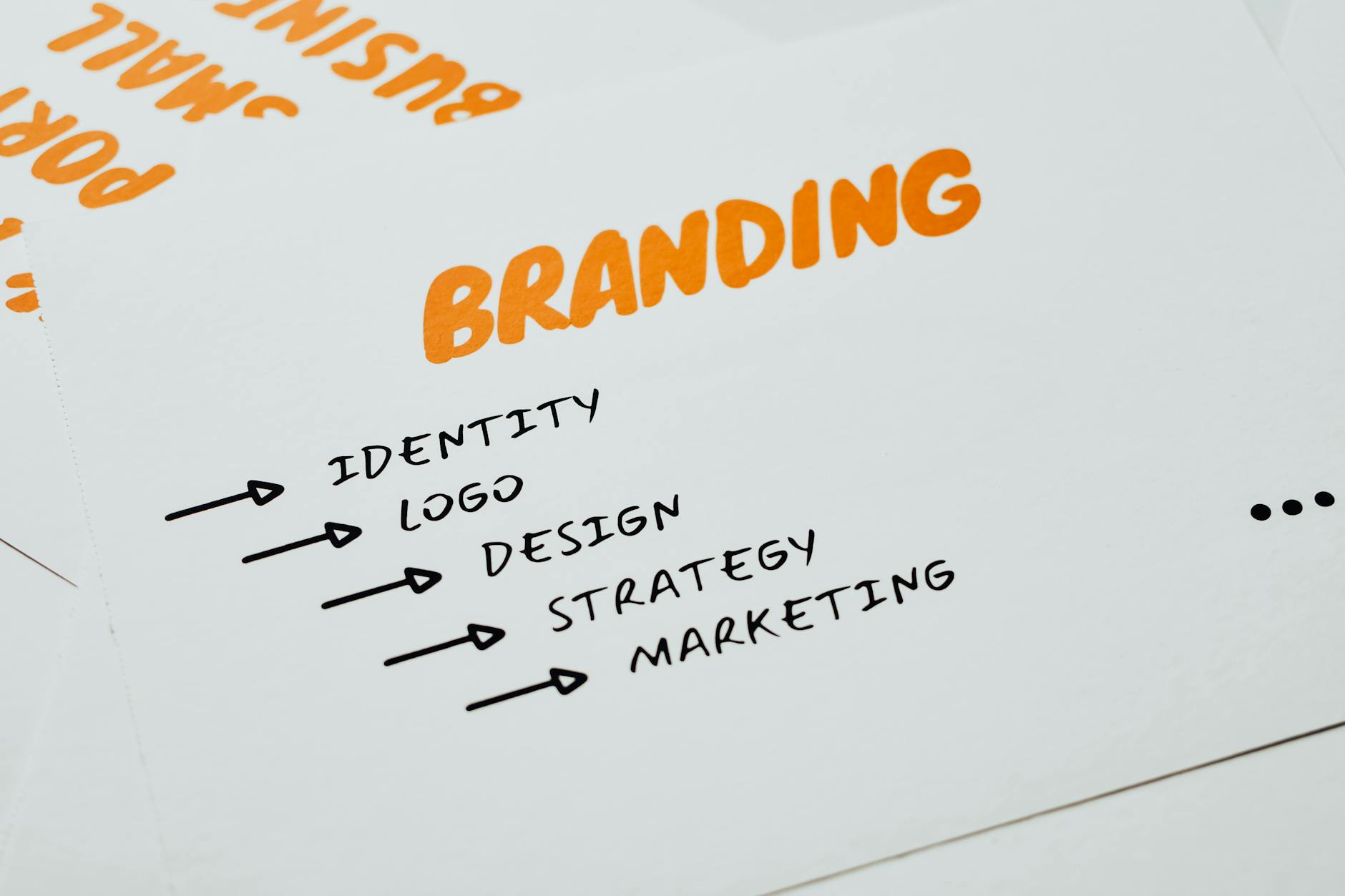
A brand design system should help a growing marketing team create, review, and release work without reopening the same brand decisions. It must turn positioning, messaging, visual language, and production rules into tools that people can use under real deadlines.
Make the common work repeatable
Start with the work the team produces most often. A system for a growing marketing function may need campaign layouts, presentation structures, landing-page patterns, email modules, social formats, event materials, sales tools, and image treatments. The exact list should follow the company's operating reality.
Each repeatable format should identify the fixed elements, the editable elements, and the conditions that require review. A template without those boundaries moves the interpretation problem into the template.
Connect messages to formats
Visual consistency alone does not create a coherent brand. The system should connect message hierarchy to the places where it is used. Teams need to know which claim leads, which proof supports it, how offers are named, and how language changes across a website, campaign, product surface, or sales conversation.
Useful guidance includes approved message components, examples by task, terminology rules, and evidence requirements. It should help a producer choose the right material instead of supplying one paragraph for every context.
Reduce production decisions
A growing team loses time when every asset requires choices about typography, spacing, image style, component behavior, and approval. The system should settle recurring production questions while leaving enough room for the work to fit its channel.
That requires more than a style guide. Teams need working libraries, current source files, export specifications, accessibility requirements, and examples that show the system under realistic content loads.
Build review into the workflow
Review should match the significance of the decision. Routine work inside approved patterns can move quickly. New claims, new components, major campaign concepts, and changes to core identity elements need a named reviewer.
A simple review model identifies who creates, who checks, who decides, and who releases. It also gives the team a path for exceptions. The goal is to prevent senior leaders from becoming the approval step for every asset while keeping material brand decisions visible.
Plan for adoption
A system becomes operational when teams can find it, understand it, and apply it. Launch should include role-specific training, a small set of worked examples, access to the correct tools, and a clear place to ask questions.
Early production reveals where the guidance is incomplete. Capture those questions and update the shared system instead of answering them repeatedly in private messages.
Maintain the system as the team grows
Assign an accountable owner and a regular review point. Maintenance should examine repeated exceptions, unused components, duplicated local solutions, slow approvals, and new channels that the current system does not support.
The system should expand only when a recurring need justifies a shared answer. This keeps it useful instead of turning it into an inventory of every solution the company has ever made.
For the visual foundation, read What a Visual Identity System Is and What It Must Do. For operating guidance, read What to Look for in Brand Guidelines.
See The Currency for embedded brand leadership, design systems, and project work.